Phonics and Reading
As a school of lifelong learners, our core aim is for our children to pass the reading gateway and become confident and independent readers who gain not only understanding, but also real pleasure from the texts they engage with—fostering a curiosity for learning that lasts a lifetime.
We recognise that reading is the most fundamental skill that children need to learn for participation in all areas of life.
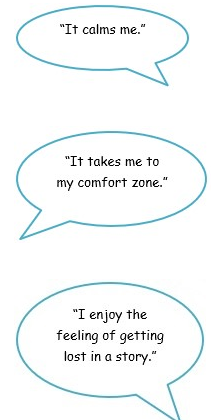
Here is what our children say about reading (Pupil View):
The National Curriculum states:
“All children must be encouraged to read widely across both fiction and non-fiction to develop their knowledge of themselves and the world in which they live, to establish an appreciation and love of reading, and to gain knowledge across the curriculum. Reading widely and often increases children’ vocabulary because they encounter words they would rarely hear or use in everyday speech. Reading also feeds children’ imagination and opens up a treasure-house of wonder and joy for curious young minds.” (National Curriculum 2014).
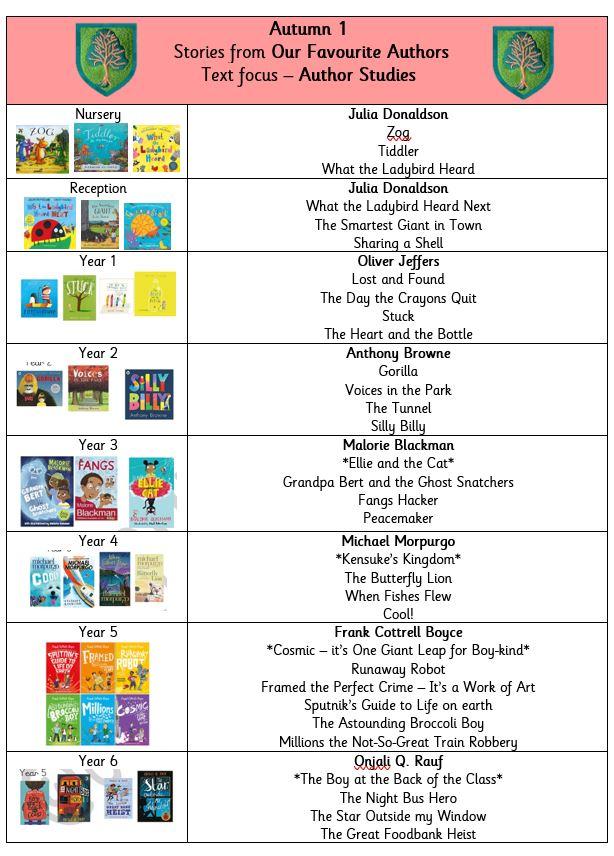
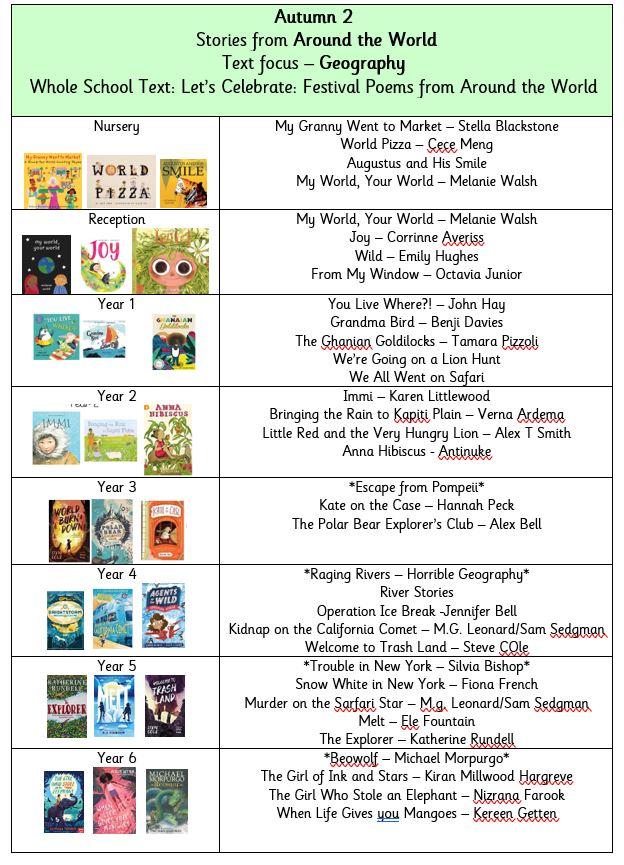
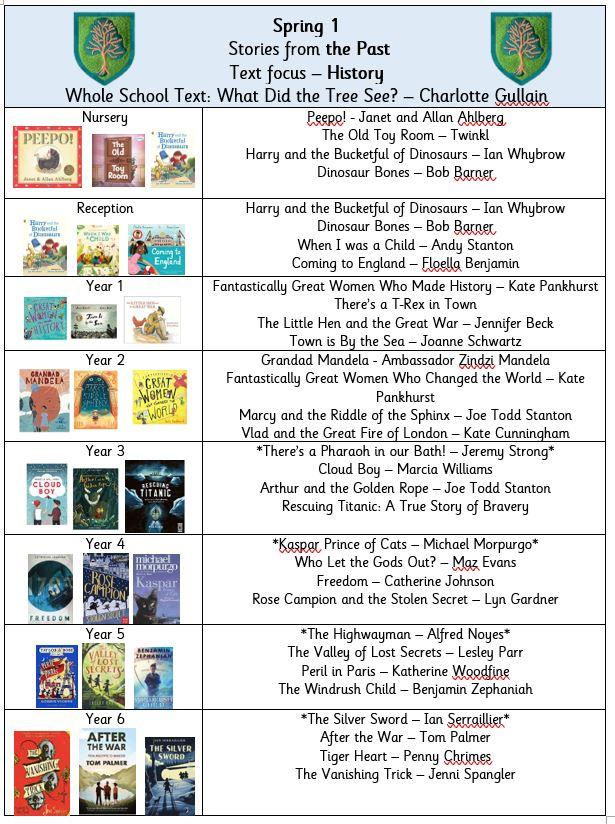
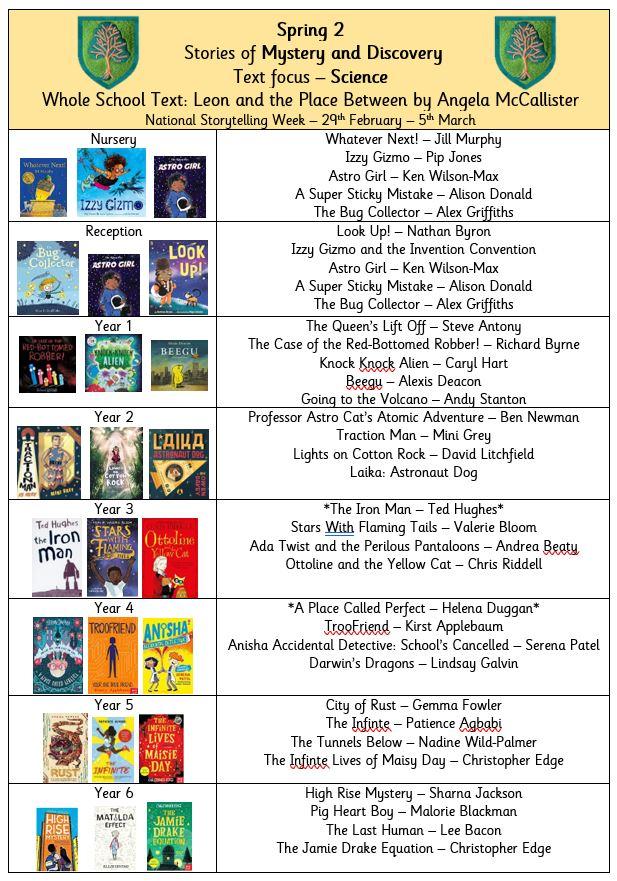
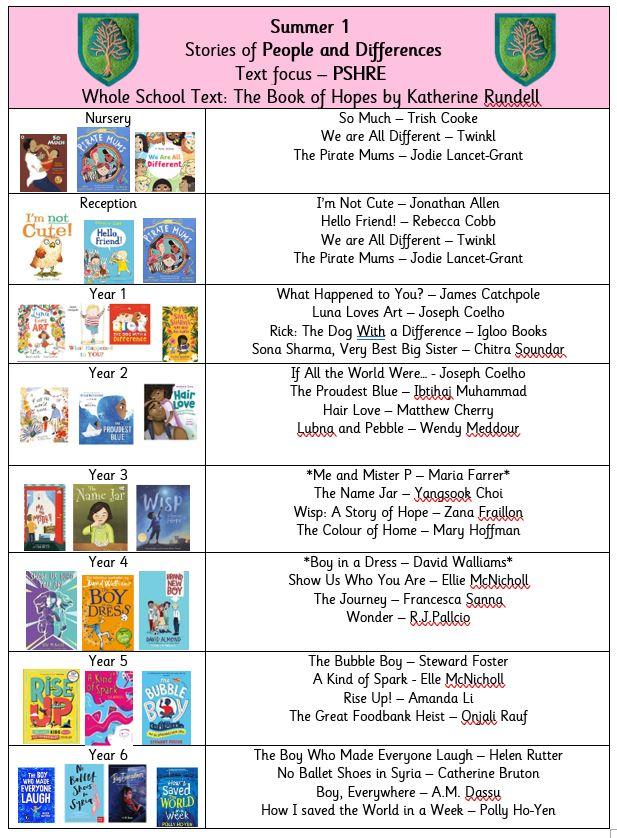
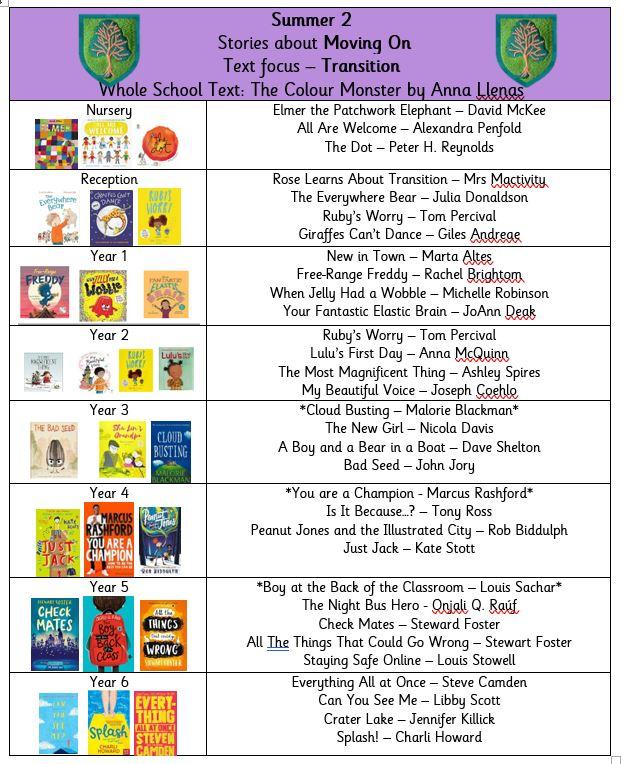
At South Parade we have a reading spine with themed texts for each half -term, including a selection of texts for each year group across school. Our reading spine books are shared with children at the end of each school day as part of our protected reading for pleasure time. We also have weekly class ‘book clubs’ where we encourage children to share favourite texts with their class.
How is Reading systematically taught at South Parade Primary School?
Our Early Reading programme is Little Wandle.
EYFS & Year 1
At South Parade Primary School we strongly believe that every child can become a fluent reader and writer. This is why we teach reading through Little Wandle Letters and Sounds Revised, which is a systematic and synthetic phonics programme (SSP). We start teaching phonics in Lower Foundation Stage (Nursery) where children are introduced to one sound per week. In Reception children build on their growing knowledge of the alphabetic code, mastering phonics to read as quickly as possible and then to spell accurately as they move through school. The scheme progresses into Year 1 where children complete the programme, ready for their Phonics Screening Check (PSC) in June. For more details on the progression of Little Wandle Letters and Sounds, please click here. Programme Overview_Reception and Year 1.indd
Year 2
In Year 2 we re-visit and consolidate our phonics knowledge by completing the Little Wandle Phase 5 Review. This provides opportunity to further embed children’s phonic knowledge and prepare the children for the Year 2 spelling programme (Grammarsaurus).
Thoughout our phonics teaching we carry out regular and rigorous assessment processes which ensure we capture all children who require some additional support which may take the form of a daily keep up, or rapid catch-up programme.
We also follow the Little Wandle SEND programme for some children throughout school.
Implementation (Early Reading)
Daily phonics lessons in Lower Foundation Stage (Nursery) Reception and Year 1
We teach phonics for 20 minutes a day. Each Friday, we review the week’s teaching to help children become fluent readers.
Children make a strong start in Reception: teaching begins in Week 2 of the Autumn term.
We follow the Little Wandle Letters and Sounds Revised expectations of progress:
Children in Reception are taught to read and spell words using Phase 2 and 3 GPCs, and words with adjacent consonants (Phase 4) with fluency and accuracy.
Children in Year 1 review Phase 3 and 4 and are taught to read and spell words using Phase 5 GPCs with fluency and accuracy.
Children in Year 2 begin the year re-capping phonics taught in Year 1 by completing the 5 week Phase 5 Review Programme.
Any child who needs additional practice has Keep-up Support, taught by a fully trained adult. Keep-up lessons match the structure of class teaching, and use the same procedures, resources and mantras, but in smaller steps with more repetition, so that every child secures their learning.
We timetable phonics lessons for any child in Year 2 and beyond who are not fully fluent at reading. These children urgently need to catch up, so the gap between themselves and their peers does not widen. We use the Little Wandle Letters and Sounds Revised assessments to identify the gaps in their phonic knowledge and teach to these using the Rapid Catch Up, and Keep-Up resources – at pace.
Teaching reading: Reading sessions three times a week.
We teach children to read through reading practice sessions three times a week. These:
are taught by a fully trained adult to small groups of children
use books matched to the children’s secure phonic knowledge using the Little Wandle Letters and Sounds Revised assessments and book matching grids
are monitored by the class teacher, who rotates and works with each group on a regular basis.
Each reading practice session has a clear focus, so that the demands of the session do not overload the children’s working memory. The reading practice sessions have been designed to focus on three key reading skills:
decoding
prosody: teaching children to read with understanding and expression
comprehension: teaching children to understand the text.
In Reception, these sessions start in Week 3. Children who are not yet decoding have daily additional blending practice in small groups, so that they quickly learn to blend and can begin to read books. These children also take wordless books home.
*In Years 2 and 3, we continue to teach reading in this way for any children who still need to practise reading with decodable books, as well as any other KS2 children who follow a personalised curriculum.
Reading in Year 2
In Year 2, reading lessons are timetabled three times a week
When children start Year 2, we continue with Little Wandle reading books. Later in the Autumn term the children will carry out a fluency assessment. Children who pass the assessment will move from small group reading into a whole class model. The same approach as KS2, with a higher level of modelling and scaffolding using the 'I do, We do, You do’ model.
Reading in KS2
As they begin KS2 in Year 3, most children are increasingly secure in their decoding and so the teaching of reading is now directed towards developing their vocabulary and the breadth and depth of their reading, making sure that they become independent, fluent and enthusiastic readers who read widely and frequently. However, those children who do need further development of their decoding skills will continue on the Little Wandle Letters and Sounds programme, as previously detailed, whilst still receiving exposure to the whole class reading texts through story time and whole class reading.
Moving through into Years 5 and 6, we expect that all children are able to read aloud age-appropriate interest book level texts with accuracy and at a reasonable speaking pace. They should be able to read most words effortlessly and to work out how to pronounce unfamiliar written words with increasing automaticity. At this age, children are encouraged to read silently, with good understanding, inferring the meanings of unfamiliar words, and then discuss what they have read in partners, groups and as a whole class. Story time still plays an important role in Years 5 and 6, alongside book talk.
By the time children leave us, we strongly aim for every child to be a sufficiently fluent, effortless reader, ready to manage the general reading demands of the curriculum in Year 7, across all subjects and not just in English. We also intend that they leave us with a love of literature, a wide reading experience behind them and many fond memories of the books studied during their primary years at South Parade Primary, which they may one day wish to share themselves.
Whole Class Reading Sessions
For our reading sessions we select high quality texts, carefully choosing different genres and text types. We pre-teach essential vocabulary and model expert prosody—guiding pupils to read with expression, fluency, and true understanding. Whole Class reading is timetabled for three times a week in KS2 and focuses on important skills for comprehension. Children use reading strategies to help develop their reading comprehension skills. In our wider curriculum lessons, children apply these skills in context, reading to learn, and acquiring lots of higher-order, academic vocabulary.
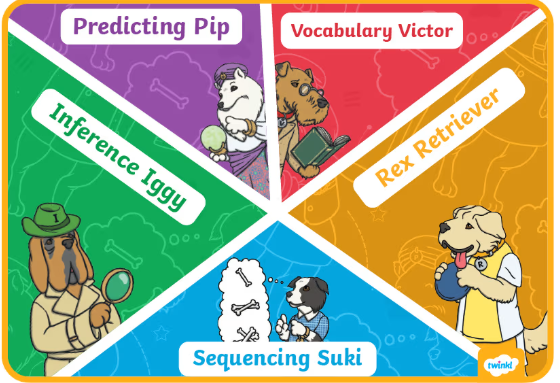
Each session focuses on a key skill using our Reading Dogs and school reading approach and ensure the teachers can model approaches to finding answers within texts and explaining processes. Children are encouraged to try a range of techniques when forming meaning from texts such as:
Making connections
Thinking-aloud – deep thinking
Visualisation
Predicting
Questioning and question-making
Summarising
Seeking clarification
Robust vocabulary instruction
Ensuring consistency and pace of progress
Every teacher and teaching assistant in our school has been trained to teach reading, using the Little Wandle Letters and Sounds Revised programme, so we have the same expectations of progress. We all use the same language, routines and resources to teach children to read so that we lower children’s cognitive load.
Weekly training session are held 10:15am on a Monday help support all staff delivering the programme.
The Reading Team and SLT use monitoring grids to regularly monitor and observe teaching; they use the summative data to identify children who need additional support and gaps in learning.
Further Phonics and Early Reading resources for parents
How to say the sounds:
https://www.littlewandlelettersandsounds.org.uk/resources/for-parents/
How we teach tricky words, blending and alien words
https://www.littlewandlelettersandsounds.org.uk/resources/for-parents/
Home Reading
EYFS/ KS1
Little Wandle programme
Children read their book 3 times per week in school with an adult and will take the same text home to read to build fluency and confidence.
Year 2/ KS2
Once children have graduated from the Little Wandle phonics programme they will self-select their home reading books. We believe that children need to choose what they want to read and therefore we have a selection of books for children to choose from to aid their home reading. Children are guided to a selection of books which align with their reading ability and they then have the flexibility to choose books that match their interests.
Reading records will be sent home for parent and carers to complete and return to school.
Library
Children from Reception upwards visit our library weekly and have the opportunity to take an additional reading for pleasure book home.
Reading for Pleasure
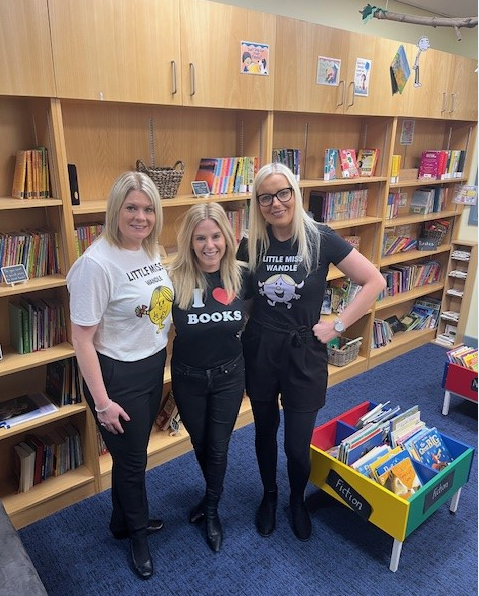
We spend time with our children sharing our own reading habits and those of the class so we can identify popular texts and themes. These are on offer in our book area… we want our children to entice, choose and enjoy the books on offer. The headteacher, Mrs Hedges, has a grab and go book selection in her room where children can select books if needed – we also use this to target any reluctant readers as an incentive. All staff members are happy to help children selecting books and will say ‘…if you like this book why not try this…’
In each classroom, teachers are developing their own special reading areas where adults share their love of books with the children, recommending new and old favourites, and showcasing a range of fiction and non-fiction texts. It is our aim that children 'get lost in a book' in these high-quality havens of literature.
Our Reception children build a library of books throughout the year with our South Parade Version of the Dolly Parton Imagination Library. School purchase one text per month for children to build a home library. Parents are welcomed into school for the launch of each book where Mrs Hedges or Mrs Fieldhouse read the new books to children and parents to encourage a home partnership.
We work closely with local book shop Darling Reads who supply many of our books in school. We also arrange author visits to school to develop children’s love of reading and inspire future authors! In recent years we have welcomed Conrad Burdekin, Nicola Baker and very recently, Peter Smith!
We are keen to promote a love of reading outside of the classroom too. We have a reading pod in our garden area ‘Joseph’s Den’ and a selection of reading sheds and teepees on the playground.
South Parade Reading Spine
Mrs Hedges' Recommended Reads